DTI KMME Panelist: Insights from Evaluating MSME Business Models

DTI KMME Panelist: Insights from Evaluating MSME Business Models

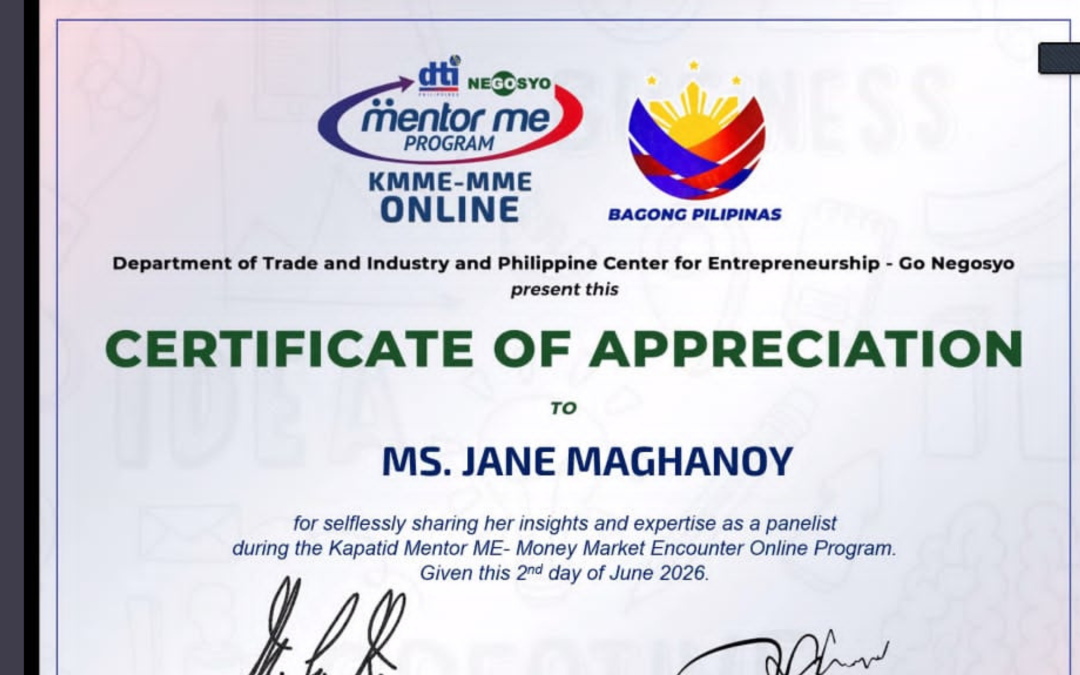
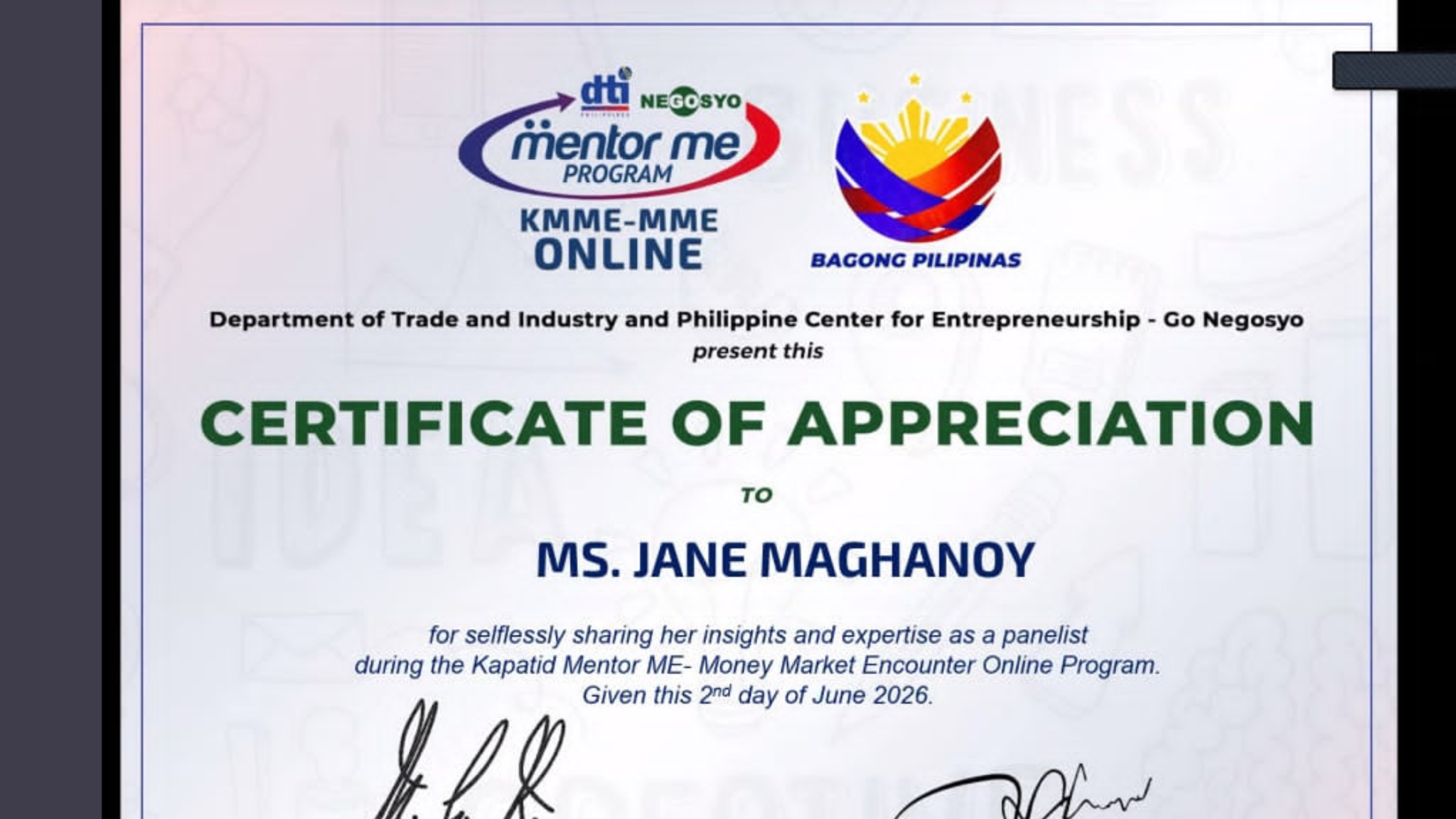
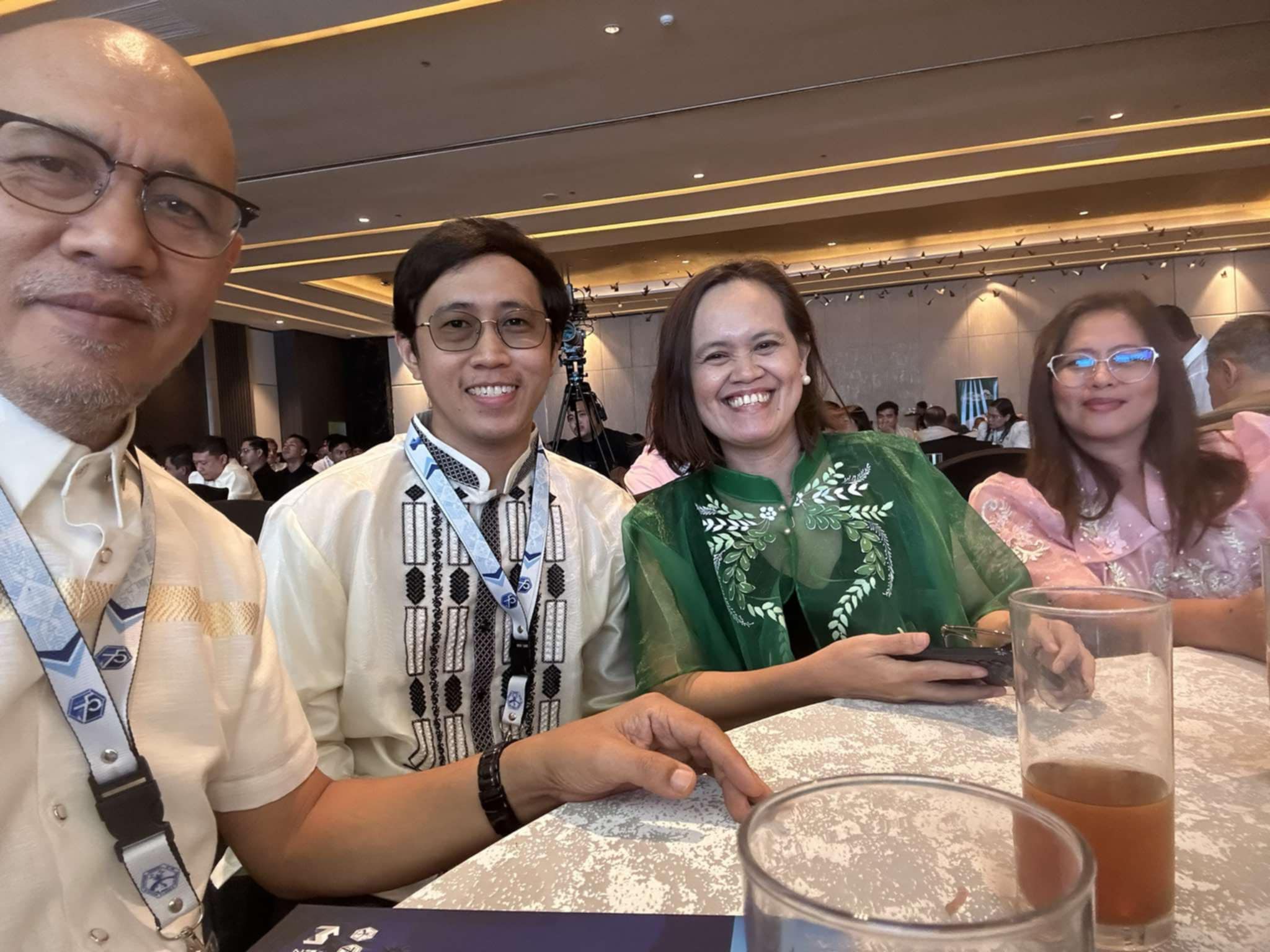
I had the privilege of serving as a panelist for the DTI-Go Negosyo Kapatid Mentor ME (KMME) Program, where I joined mentors and industry experts in evaluating Business Improvement Plans (BIPs) presented by MSMEs from Region IV-A CALABARZON.

The participating businesses represented a wide range of industries, including printing services, cosmetics manufacturing, food manufacturing, travel and tours, home appliance retail and services, robotics and STEM education, garments, and restaurants.

As a KMME Panelist, , one of our responsibilities was to review and provide feedback on their Business Model Canvas (BMC)—a strategic framework used to assess how a business creates, delivers, and captures value.

What I found particularly interesting was that despite operating in different industries, many businesses faced similar challenges and opportunities. The Business Model Canvas provided a structured way to analyze their business models, identify gaps, and uncover areas for growth.

What Is the Business Model Canvas?

The Business Model Canvas is a strategic management tool developed by Alexander Osterwalder that allows business owners to visualize their entire business on a single page. Instead of creating a lengthy business plan, entrepreneurs can map out the key elements that drive their business and identify opportunities for improvement.

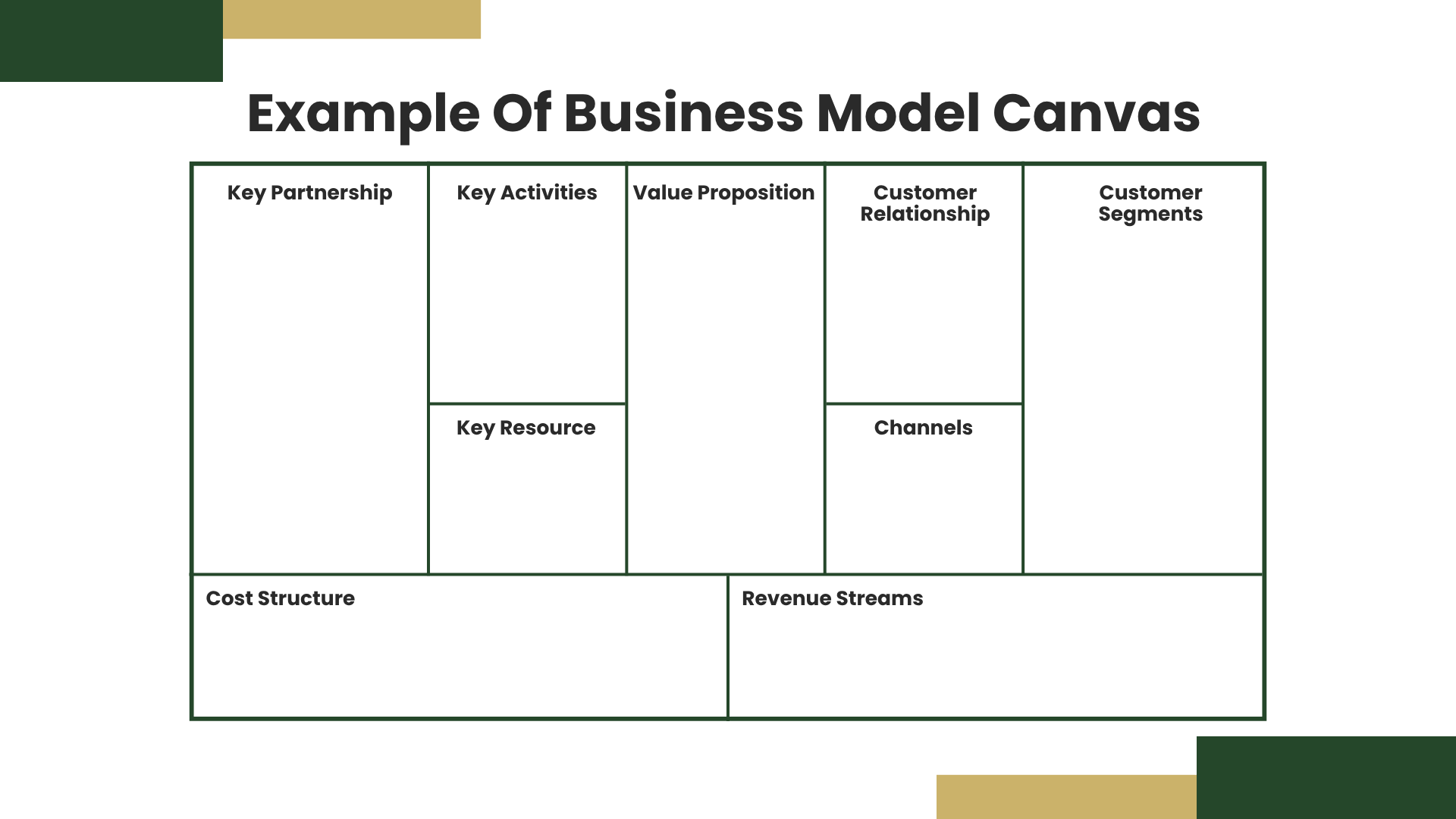
The framework is composed of nine building blocks that work together to show how a business creates, delivers, and captures value.

The 9 Building Blocks of the Business Model Canvas

1.Customer Segments

    Defines the different groups of people or organizations that a business aims to serve. Understanding your customers is the foundation of every successful business model.

    2. Value Proposition

    What makes the business different? This section challenges business owners to clearly articulate why customers should choose them over competitors and what unique value they provide.

    3. Channels

    How do customers discover and access the business? Whether through physical stores, distributors, websites, social media, or online marketplaces, channels play a critical role in reaching customers effectively.

    4. Customer Relationships

    How does the business build trust and loyalty? This area focuses on how businesses acquire, retain, and grow customer relationships over time.

    5. Revenue Streams

    How does the business generate income? Understanding revenue sources helps entrepreneurs identify opportunities to diversify and improve profitability.

    6. Key Resources

    What assets are essential to delivering value? These may include people, equipment, technology, intellectual property, or financial resources.

    7. Key Activities

    What are the most important things the business must do well? This section helps focus on the activities that directly support the value proposition.

    8. Key Partnerships

    Who helps the business succeed? Strategic partnerships with suppliers, distributors, institutions, and technology providers can accelerate growth and improve efficiency.

    9. Cost Structure

    What are the major costs involved in running the business? This allows entrepreneurs to understand where resources are being invested and where efficiencies may be gained.

    Why the Business Model Canvas Matters

    One of the key takeaways from my experience as a DTI KMME Panelist is that many business challenges can be traced back to a lack of clarity in one or more of these nine building blocks.

    The Business Model Canvas helps entrepreneurs step back and look at the bigger picture. It encourages strategic thinking, better decision-making, and a deeper understanding of how all parts of the business work together.

    Whether you’re a startup founder, freelancer, MSME owner, or aspiring entrepreneur, the Business Model Canvas is a valuable tool for evaluating your current business model and planning for sustainable growth.

    Serving as a DTI KMME Panelist was both an honor and a learning experience. It gave me the opportunity to engage with entrepreneurs from different industries and see firsthand how they are working to strengthen their businesses through structured planning and continuous improvement.

    The experience reinforced a principle I strongly believe in:

    Growth starts with clarity.

    When business owners clearly understand their customers, value proposition, resources, partnerships, and revenue streams, they are better equipped to make strategic decisions and build sustainable businesses.

    Ready to Build Your Own Business Model Canvas?

    If you’d like to create your own Business Model Canvas but aren’t sure where to start, try my GPT- Business Model Canvas, —a guided tool designed to help freelancers, ECE professionals, startups, and MSMEs map out their business model one building block at a time.

    Because every successful business starts with a clear understanding of how it creates value.

    IECEP MidCon : Rewired and Reconnected

    IECEP MidCon : Rewired and Reconnected

    I used to think, “IECEP? That’s for the active ones—the ones who stayed on the traditional engineering path.”

    After my corporate career as a Telecom Fraud & Risk Specialist, I went in a completely different direction. For the last 17 years, I’ve been immersed in the digital world—freelancing, consulting, and working with MSMEs. Along the way, I let go of my PRC license. I wasn’t part of any IECEP chapter. Honestly, I felt like I had stepped away from the profession entirely.

    But during the pandemic, something quietly shifted. I started helping the IECEP Cavite Chapter—nothing big, just remote support, behind-the-scenes. It was light, manageable, and surprisingly meaningful. It offered me a window back into the community I thought I had left behind.

    Then, as the world began to move forward, I stepped back again.

    It wasn’t until 2024 that I returned with intention—not just as a quiet contributor, but as an officer of the IECEP Cavite Chapter.

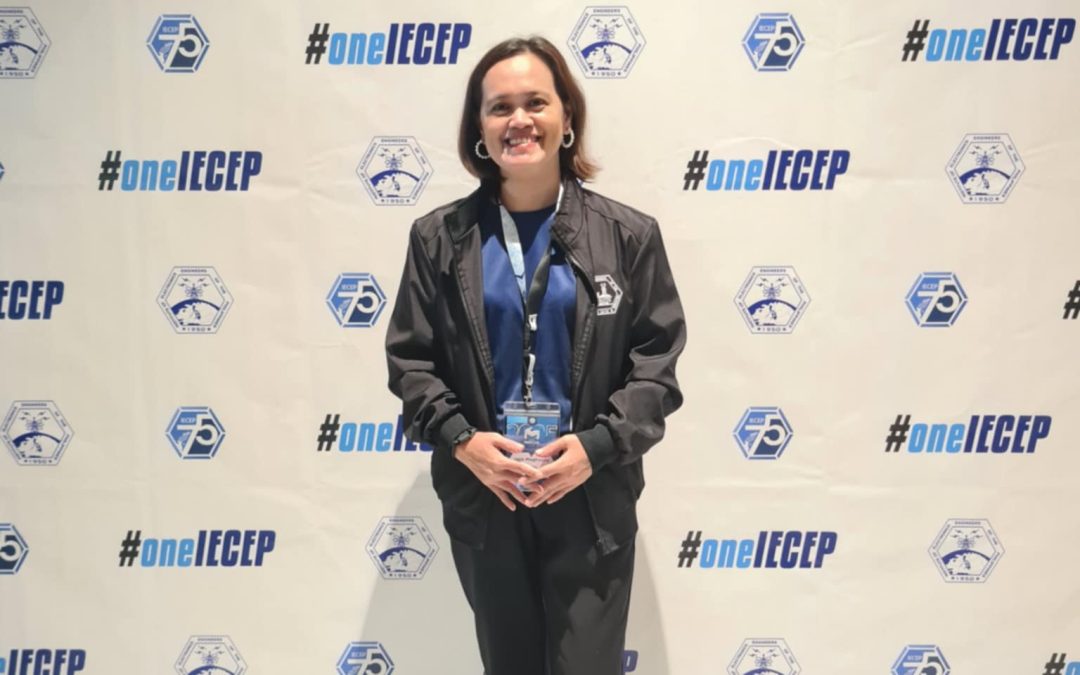
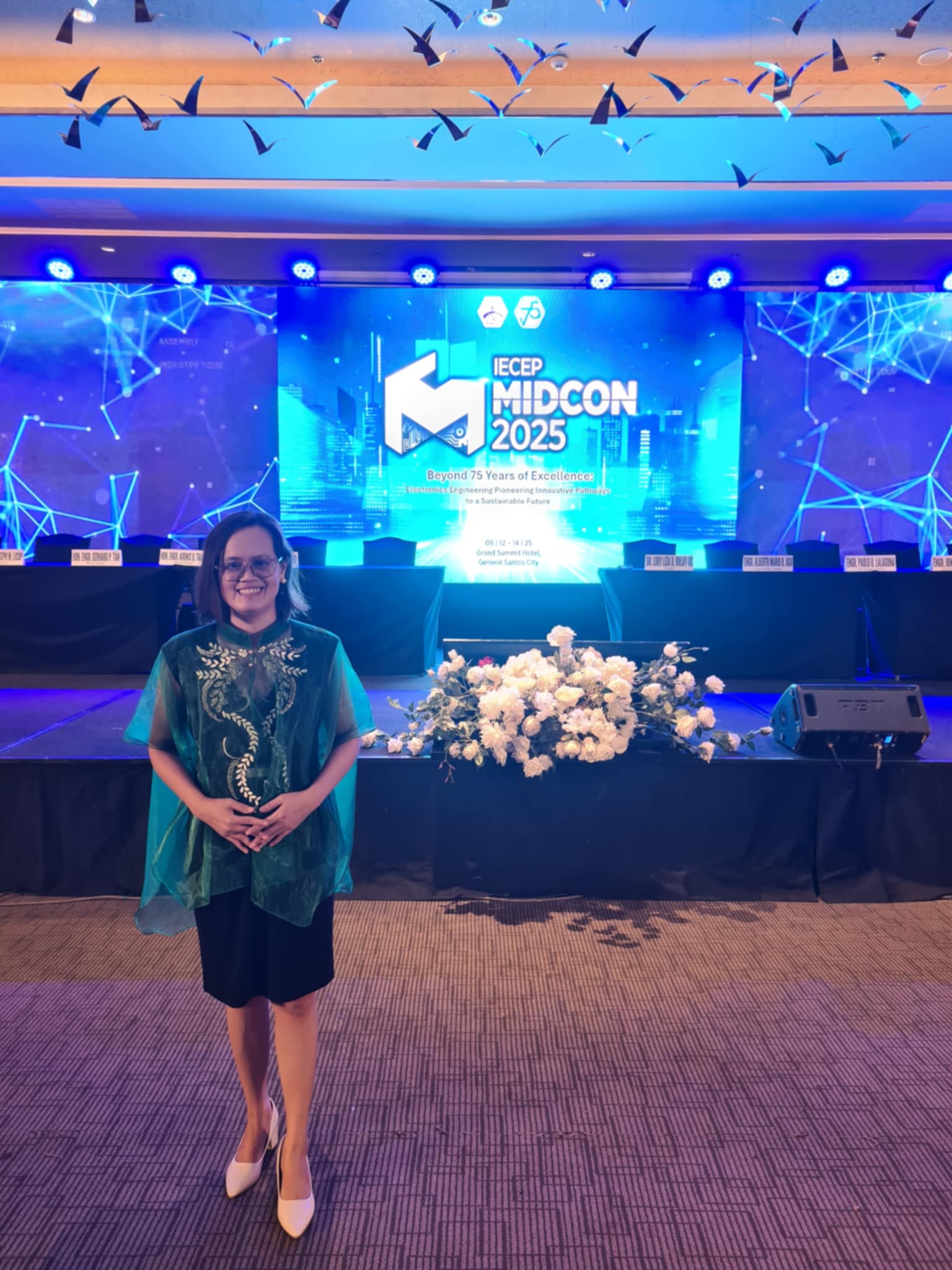
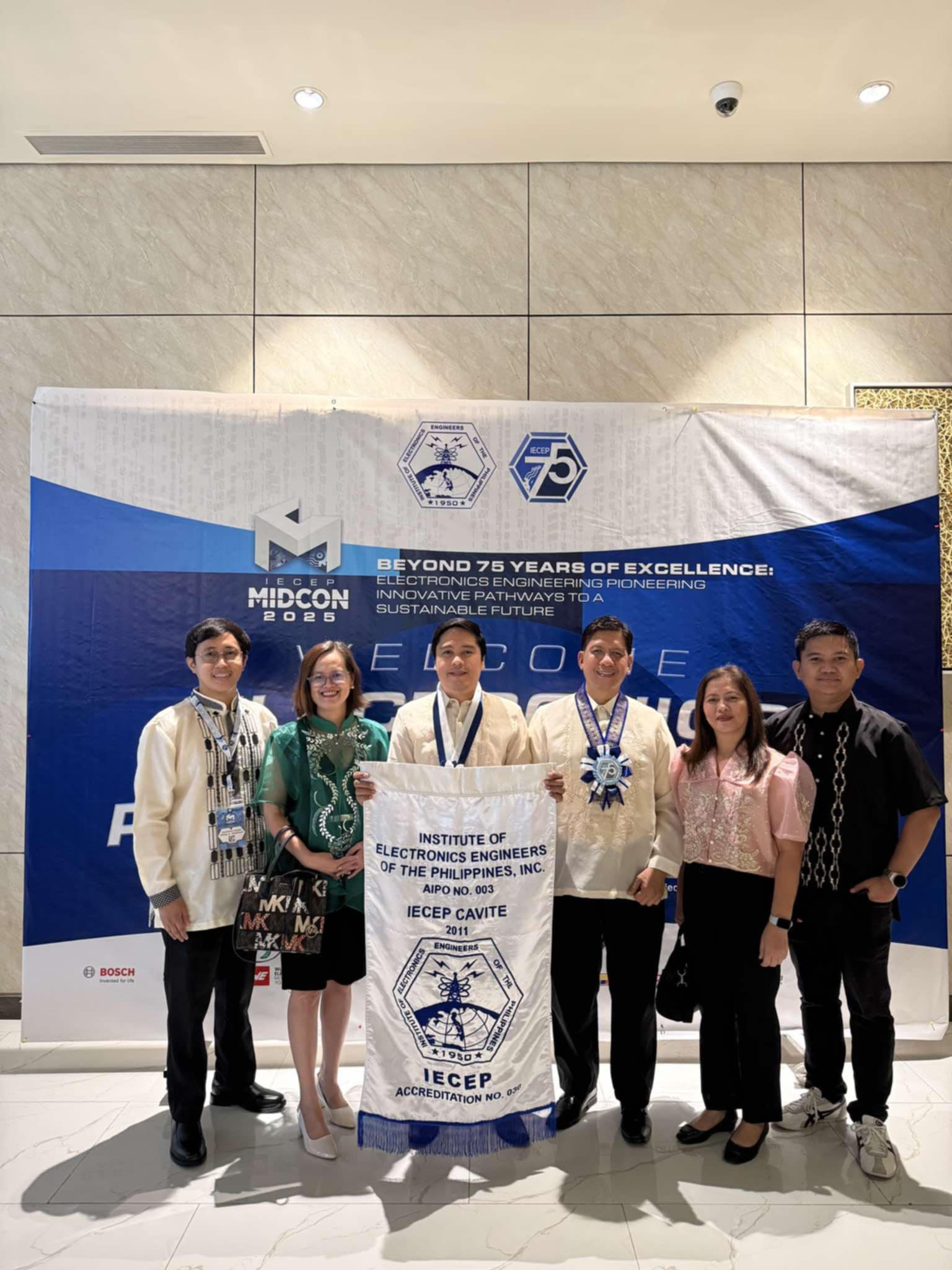
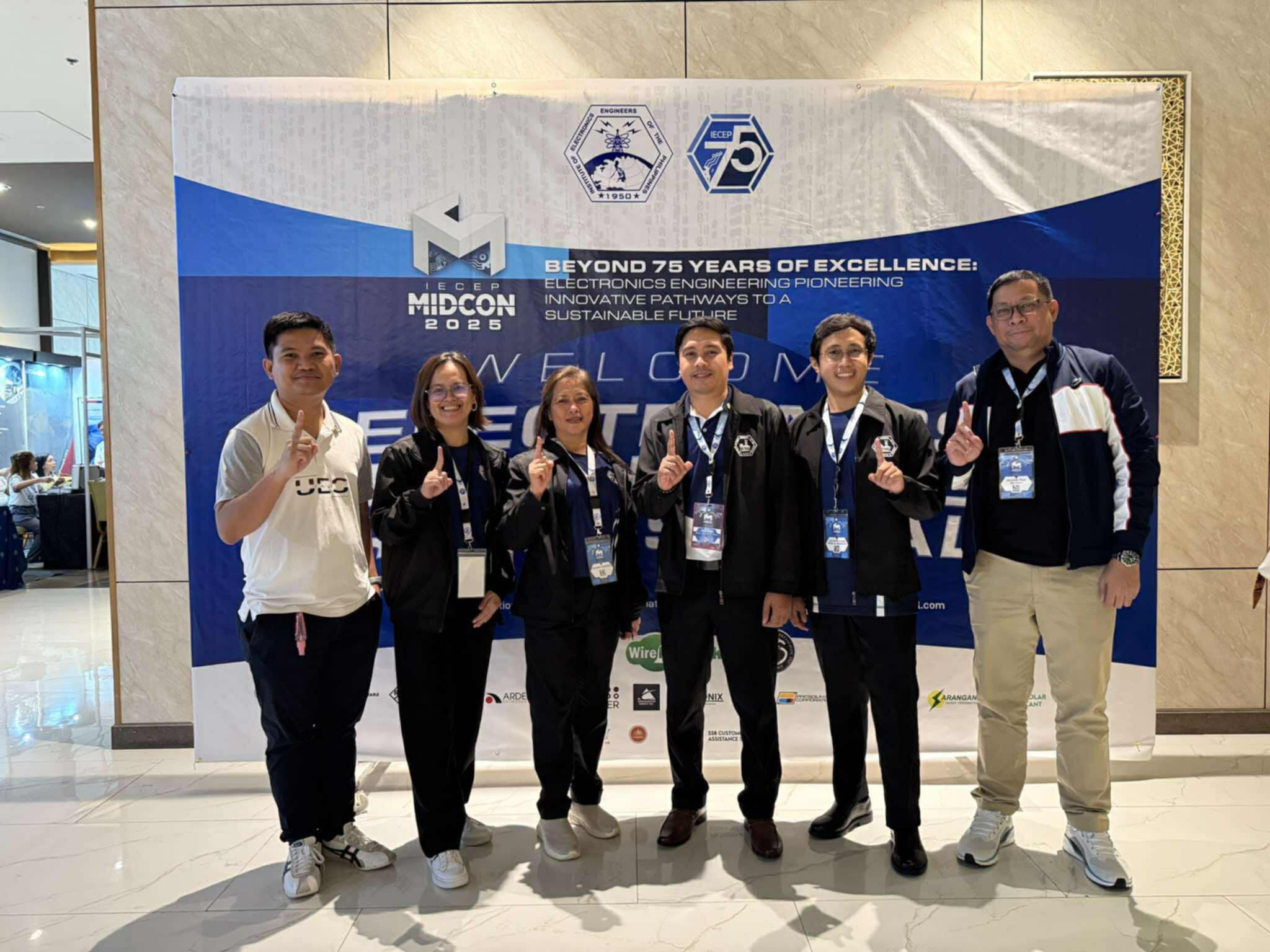
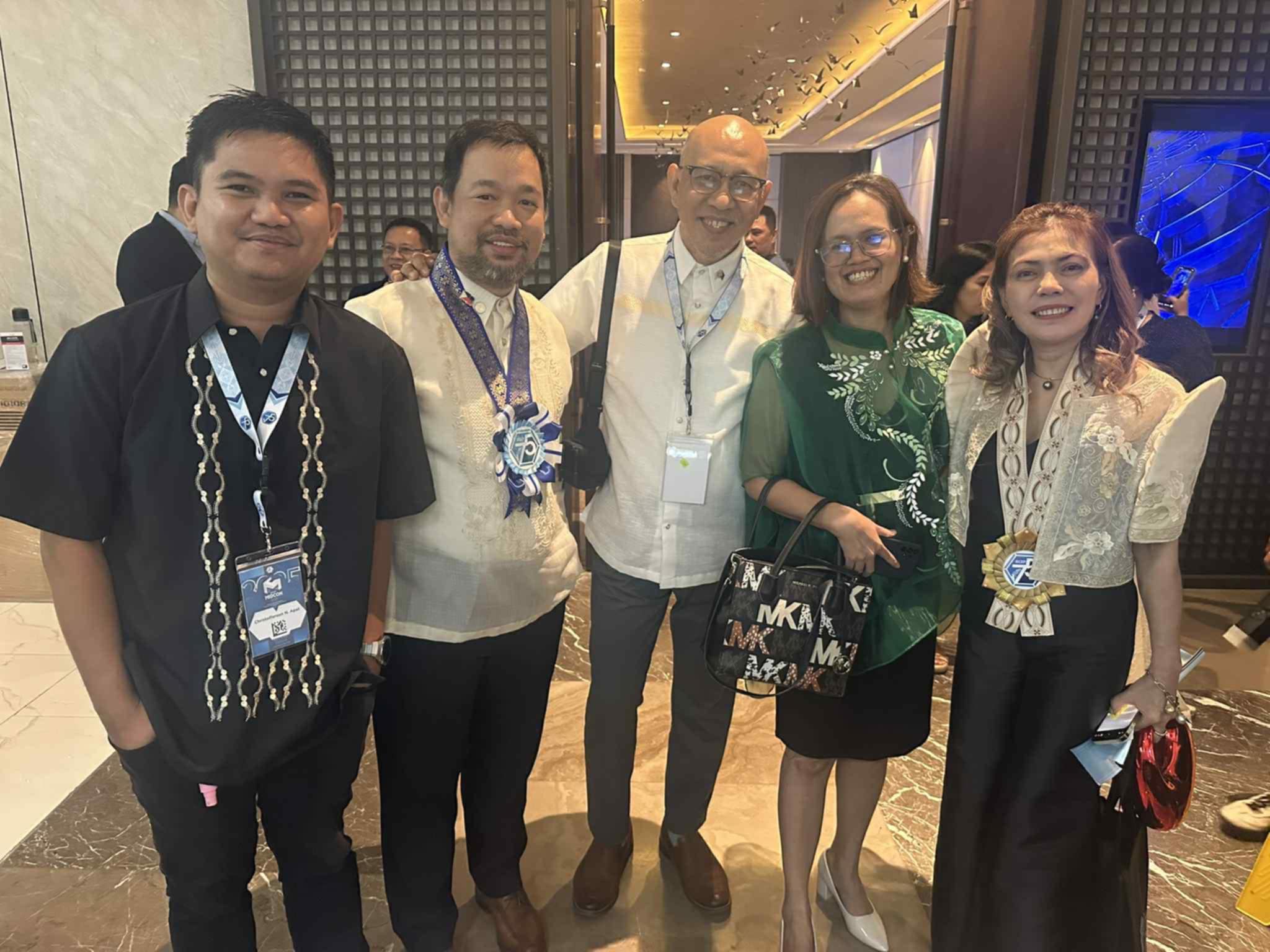
    That journey came full circle when I attended the 75th IECEP National Midyear Convention this June 2025, held at the Grand Summit Hotel in General Santos City.


    With the theme “Beyond 75 Years of Excellence: Electronics Engineering Pioneering Innovative Pathways to a Sustainable Future,” the convention wasn’t just a celebration of the profession’s legacy—it was a reminder that no matter how far you think you’ve wandered, there’s always a way back to where you started.


    IECEP Cavite Chapter


    After years of working independently and mostly online, finally having two full days of face-to-face interaction was a breath of fresh air. Meeting fellow officers in person brought a different kind of energy to everything we do.

    The conversations felt more real, the ideas flowed more easily, and the sense of teamwork felt stronger than anything I’d experienced virtually. It reminded me that beyond the roles and responsibilities, it’s the genuine connections that keep the organization alive and thriving.


    Reconnections That Sparked Something Deeper

    I expected the convention to be technical, maybe a little stiff or overwhelming. What I didn’t expect was the warm sense of coming home—even after being away for so long.

    One moment that really hit me was seeing my college instructor again after 25 years. She’s now the national president of IECEP! I felt so proud—it reminded me how far we can go in this field.


    I reconnected with a colleague from my internship days at Maratel (now PLDT).

    And unexpectedly, a fellow MSU-IIT schoolmate recognized me—it was a short exchange, but it meant a lot.

    These weren’t just coincidences. They were gentle reminders that the ECE community is still alive, still connected—even if we’ve taken different paths.

    Key Takeaways from the Learning Sessions

    Aside from the meaningful conversations and reconnecting with peers, one of the things I really appreciated about the convention was the lineup of learning sessions. The topics were timely, relevant, and honestly, eye-opening. From national cybersecurity to new developments in engineering, each session offered something valuable. It reminded me how much the field continues to grow—and how important it is for us to keep learning and adapting, especially in today’s fast-moving digital world.


    National Cybersecurity Plan 2023–2028

    The session highlighted the mandate of RA 10844 in establishing the National CERT and introduced the key priorities of the 2023–2028 plan. Emphasis was placed on strengthening national cybersecurity capabilities and promoting widespread awareness across sectors.

    A Trusted, Secure, and Reliable Cyberspace for Every Filipino
    The plan envisions a digital Philippines where cyberspace is:

    Trusted – A foundation for safe digital transactions, e-commerce, and online services.

    Secure – Equipped to defend against cyber threats and safeguard national interests.

    Reliable – Functioning consistently and dependably for all users.

    The DICT outlined three strategic outcomes:

    The State and its people are proactively protected in cyberspace
    – Key actions include securing the government’s digital infrastructure (GovNet), establishing a National Security Operations Center (NSOC), and enhancing the National CERT (NCERT) to improve cyber incident response and monitoring.

    Cybersecurity workforce capabilities are increased
    – Through revitalized training via the ICT Academy, the creation of a Cybersecurity Center of Excellence, and a nationwide awareness campaign every October, the plan aims to upskill more professionals and strengthen human capital.

    Cybersecurity policy framework is strengthened
    – DICT is pushing for the implementation of minimum cybersecurity standards, the adoption of secure protocols (like SSL, TLS, PKI), and inter-agency collaboration with DOST, DTI, and the private sector to align with international standards.

    This framework signals a stronger, more resilient digital environment that’s not just protective—but empowering, especially for sectors like education, business, and local government.

    The Future of Broadcasting: Innovation and Sustainability in Media Technologies

    Broadcasting systems were broken down into three segments: Acquisition, Production, and Distribution. Cloud-based infrastructure (SaaS, PaaS, IaaS) was identified as a sustainable and scalable alternative to traditional broadcast systems. The discussion included the rise of OTT platforms like Netflix and Prime, showing the industry’s shift toward digital convergence.

    Updates on the Philippine Electronics Code and Tariff Regulations for ECE Professionals

    The session detailed the role of the Philippine Electronics Code in ensuring safety, reliability, and compliance with international standards (ISO/IEC and ITU). It was emphasized that only licensed PECEs are authorized to design and certify electronic systems. Legal and ethical boundaries were clarified, particularly under RA 9292.

    Sustainable Electronics Design and Innovation: Electronics Product Development

    Key design elements such as SolderMask, Silkscreen, and efficient PCB layout were introduced. The discussion underscored the importance of Electromagnetic Compatibility (EMC) and the Restriction of Hazardous Substances (RoHS) in developing sustainable electronics that meet environmental and safety standards.

    INCOSE Primer: Innovating Engineering Practices through Sustainable Methodology

    Systems Engineering was presented as a structured, life cycle–based approach to solving complex challenges. The session emphasized the role of systems thinking, interdisciplinary collaboration, and the importance of adopting global best practices such as INCOSE certification and digital transformation frameworks.

    Managing Complex Engineering Projects for a Sustainable Future

    This session offered practical project management insights, including the use of a Master Programme to track deliverables, client alignment, and status. Concepts like the hierarchy of controls in safety and iterative risk identification were emphasized as essential components of sustainable project execution.

    Securing the Digital Landscape: A New Wave of Cyber Threats and Defenses

    Critical threats such as ransomware and vulnerabilities in cloud infrastructure were discussed. Key defenses—including firewalls, encryption, and regular backups—were stressed, along with the need for organization-wide cybersecurity awareness and best practices.

    Day 1 delivered a comprehensive blend of public policy, digital transformation, global standards, and sustainability in electronics engineering. The sessions collectively reinforced the relevance of the ECE profession in nation-building, innovation, and protecting the digital future of the Philippines.

    Day 2 Learning Session

    Tech for Good: The Intersection of Technology and the SDGs for a Greener Future

    The session highlighted how technologies like AI, IoT, and renewable energy support SDG 7 by promoting sustainability and reducing environmental impact.

    Sustainable Digital Transformation: The Role of ICT and Computers

    ICT was presented as a key enabler of sustainability through green practices, smart systems, and efforts to bridge the digital divide.

    Engineering Safety: Occupational Safety and Health (OSH) as a Cornerstone of ECE Practice

    The session emphasized the critical role of OSH in protecting electronics engineers through risk assessment, proper protocols, and use of personal protective equipment.

    Non-Terrestrial Networks: Communications Above and Beyond

    Non-Terrestrial Networks were introduced as satellite-based systems offering global connectivity, especially in remote areas, through GEO, HAPs, and other high-altitude technologies.


    Day 2 showcased how electronics engineering continues to evolve alongside global sustainability and safety priorities. The sessions aligned technology with environmental responsibility, highlighted the necessity of inclusive digital access, and reaffirmed the role of engineers in safeguarding systems and people. These learnings contribute to shaping a forward-looking, socially responsive engineering practice.


    Sessions That Resonated With Me


    There were many valuable insights during the two-day IECEP National Midyear Convention, but a few sessions really stood out to me—because they spoke directly to what I do and what I care about most.

    The session on Sustainable Digital Transformation: The Role of ICT and Computers hit home. This is the space I’ve been in for years—helping MSMEs adopt digital tools and embrace technology to improve how they work. I’ve seen firsthand how going digital can help businesses not just survive, but grow. But what truly resonated was the deeper impact: when MSMEs go digital, they’re also helping build a more inclusive, sustainable society. That’s the kind of change I want to be part of.

    I also found myself drawn to the session on Sustainable Electronics Design and Innovation: Electronics Product Development. It reminded me that innovation in electronics isn’t just about what’s new or fast—it’s about being intentional. In my work of connecting Filipino electronics engineers to global opportunities, I started thinking more deeply: how can we design products that are not only competitive, but also kinder to the environment?

    The topic on Securing the Digital Landscape: A New Wave of Cyber Threats and Defenses also made me pause. As we push for digital adoption, we can’t ignore the growing risks online. Many MSMEs don’t have access to strong cybersecurity tools, and this session reminded me that security needs to be part of the digital transformation conversation—not an afterthought.

    And then there was the INCOSE Primer: Innovating Engineering Practices through Sustainable Methodology. This was my first time hearing about INCOSE, and it really made me reflect on how systems and products are designed. It encouraged me to think beyond short-term fixes and look at sustainability as a core engineering mindset—something we all need to apply, especially in fast-paced fields like outsourcing and electronics. It left me inspired to learn more and to keep aligning my work with purpose-driven, sustainable impact.

    Kapehan with the ECE Board

    Another moment that caught my attention—though only briefly—was during a Kapehan with the ECE Board, where the Magna Carta for ICT Workers was mentioned. I only had a short glimpse of the discussion, but it immediately sparked my curiosity. This proposed policy aims to uplift and protect ICT workers, and it’s currently open for public feedback.

    As someone who has built a career in freelancing and remote digital work, I couldn’t help but wonder: Does this policy include us—those of us working outside traditional employment setups? I believe many in our industry aren’t even fully aware of conversations like this, much less how policies might affect or exclude them.

    To my fellow ECE freelancers and digital professionals: This is our chance to be seen and heard. Even if we’ve only caught snippets, let’s take the time to review the draft, share our stories, and ensure our voices are reflected in the Magna Carta for ICT Workers. We are part of the ICT landscape—and it’s time we’re acknowledged as such.


    ECEs Beyond the License—Your Role Matters


    If you’ve drifted away from the profession—maybe because you changed careers, didn’t renew your license, or just felt out of place—I understand.

    But I want to remind you: you still belong here.

    Whether you’re in ICT, freelancing, education, tech startups, or even running your own business—you bring something valuable to the table. Your training, your way of thinking, your unique problem-solving mindset as an engineer—it still matters, even outside the traditional practice.

    You don’t need a lab coat or a freshly renewed PRC license to make an impact. Showing up, learning, reconnecting—that’s already a powerful step forward.

    This journey we’re on as ECEs isn’t always linear. Some paths take us away from the board exams, from design tables, or from technical certifications. But it doesn’t take us away from the heart of what being an engineer means: solving real problems, creating meaningful solutions, and building a better future.

    You are part of this profession—no matter where you are in your journey.

    Why This Moment Mattered to Me

    Saying yes to becoming a chapter officer was one thing—but attending the national convention was something else entirely. It definitely took me out of my comfort zone.

    There were moments that felt unfamiliar, even a bit awkward—things I wasn’t used to or didn’t expect. But stepping into that space turned out to be exactly what I needed. It stretched me, challenged me, and reminded me that even if I’ve taken a different path, there’s still a place for me here.

    What I found at the IECEP National Convention wasn’t just an event—it was a personal rediscovery.

    I realized that even after years away from the formal practice, I’m still deeply aligned with the ECE profession, especially through ICT and Computer Systems. As an ICT advocate helping MSMEs embrace digital transformation, I now see that the engineering mindset I developed years ago is still the compass that guides me.

    This experience reminded me that IECEP is more than CPD points or license renewals. It’s a platform for professional relevance, connection, and nation-building.

    In a time where technology shapes every part of our lives—from smart cities to small online businesses—we, as ECEs, are needed more than ever. Whether we work in tech, education, freelancing, or enterprise, we are part of this evolving story.

    As the IECEP Hymn proudly declares:

    “ECEs, let’s build the nation!”

    “One organization, our many chapters, our one profession.
    Walking hand-in-hand in the same direction…
    With the help above we’ll do our mission!”

    And that mission—para sa bayan—is why I’m showing up again.

    For the profession.
    For innovation.
    For the community.
    For the future.

    ICT for ECEs: Building Digital Careers Beyond the Circuit Board

    ICT for ECEs: Building Digital Careers Beyond the Circuit Board

    I didn’t leave engineering—I redefined it. From telco fraud analyst to work-from-home mom to digital transformation consultant and trainer, here’s how ICT  for ECEs helped me create a life that works on my terms—and how it can do the same for you.

    Coming from the countryside in Lanao del Norte, I worked hard—finishing college, passing the board exam, and moving to Manila to climb the corporate ladder. I eventually landed roles at top Philippine companies like Globe Telecom and Sun Cellular. There, I was part of the Fraud and Risk Management team, helping detect and prevent telecom fraud that could lead to significant revenue loss.

    Back then, I thought I was set for life—finally applying what I studied and contributing to something meaningful.

    But becoming a mom changed everything. Suddenly, the career I worked so hard for no longer aligned with the life I wanted.
    I didn’t just need a paycheck—I needed time, flexibility, and purpose.


    ICT for ECEs: When Motherhood Meets Digital Transformation


    Motherhood was a beautiful disruption. It cracked me open in ways I never expected—and made me rethink everything, especially my career.

    I realized I wanted more than just professional success—I wanted time, freedom, and presence for my family.

    That’s when I discovered ICT wasn’t just for engineers in labs or big corporations. It was a bridge—to flexibility, purpose, and empowerment.

    I saw how digital transformation could shift everything—not just for companies, but for women like me.

    So I made it my mission to help Filipino women and women-led MSMEs harness technology not just as users, but as leaders, freelancers, and digital entrepreneurs.

    Through training and tech-powered solutions, I now help others:

    ✅ Turn 9-to-5 jobs into flexible digital careers
    ✅ Build digital-first businesses from scratch
    ✅ Use ICT tools to grow smarter, reach wider, and lead confidently

    Because the power of tech isn’t just in what it does—it’s in what we do with it.


    How ICT for ECEs Work 

    Think engineering is all wires and waveforms? Think again.

    If you’re an ECE, you’ve already mastered the tough stuff—signal processing, comms systems, embedded tech. That’s your core.

    But here’s the exciting part: ICT takes all that brainpower and turns it into real-world impact.

    Imagine using your knowledge to build:

    ✅ Smart cities that respond in real time

    ✅ IoT systems that connect homes, farms, and factories

    ✅ 5G-powered tools that drive the future of communication

    ✅ AI platforms that learn and adapt

    ✅ Cloud systems that scale ideas globally

    This is where engineering meets innovation.

    And to get there, we need to evolve.

    The ECE curriculum can’t stop at theory anymore. It needs hands-on tools, real-life projects, and exposure to how the industry actually works.

    Because the world is changing fast—and ECEs deserve to be at the front of that change, not left catching up.

    Shaping Digital Leaders: ICT Governance as a Core Competency

    Tech without direction is just noise.

    In today’s digital world, it’s no longer enough for engineers to know how to use technology—we need to shape how it’s managed, protected, and governed.

    That’s where ICT governance comes in.

    From classrooms to boardrooms to barangay halls, digital tools are everywhere. But without strong governance, they risk becoming more chaotic than transformative.

    As future-ready engineers and digital advocates, ECEs have a bigger role to play than ever before—not just in building systems, but in making sure they’re safe, ethical, and built to last.

    Imagine being part of the team that:

    ✅ Protects data and strengthens cybersecurity across sectors
    ✅ Designs policies for remote and hybrid work that actually work
    ✅ Standardizes ICT training so no student—or educator—is left behind
    ✅ Builds digital strategies that empower MSMEs, schools, and LGUs

    This is leadership. This is impact.

    ICT governance isn’t just a technical skill—it’s a core competency for engineers who want to shape the future, not just survive it.

    Gaps in ICT Readiness

    Let’s not sugarcoat it—our digital future is hitting speed bumps.

    While industries evolve at lightning speed, many of our schools and institutions are still catching up. The disconnect is real:

    🚫 Not enough hands-on ICT training
    🚫 Resistance to embracing digital change
    🚫 Too much theory, not enough real-world skill
    🚫 Inconsistent ICT policies across education systems
    🚫 Limited funding for crucial tech upgrades

    These aren’t just minor issues—they’re barriers holding back the next wave of engineers, innovators, and digital leaders.

    But here’s the good news: these challenges aren’t permanent.

    With stronger collaboration between educators, engineers, and changemakers, we can redesign the system to meet today’s demands—and prepare the next generation for the world that’s already here.

    Because digital readiness isn’t just a “nice to have.”

    It’s a national priority. And it starts with us.

    ICT: A Bridge Between Engineering, Empowerment, and Impact

    I didn’t abandon engineering—I expanded its meaning.

    ICT opened a new world for me. A world where my skills didn’t just fix systems—they empowered people.

    From Telecom Fraud & Risk Specialist to Digital Transformation Consultant and Trainer, I found a path where I could help Filipino women, youth, and MSMEs harness technology—not just as users, but as creators, freelancers, and digital entrepreneurs.

    That’s the true power of ICT:

    ✅ It creates options
    ✅ It builds independence
    ✅ It transforms lives

    And this shift isn’t just about personal growth—it’s about national progress.

    When more Filipinos—especially engineers—embrace ICT with purpose, we don’t just fill jobs.

    👉 We build digital careers
    👉 We power inclusive innovation
    👉 We shape a stronger, smarter Philippines

    Engineering + ICT isn’t just a tech combo.
    It’s a movement.

    And we need more leaders who see the connection—between skills and service, between tech and transformation.

    The Role of ICT in Engineering and Nation-Building


    Technology alone won’t get us there. We need smart, people-first policies that make sure our digital future works for everyone.

    That’s where ICT policy and governance come in. They don’t just speed things up—they make sure everything’s secure, accessible, and aligned with the country’s biggest goals.

    You’ve probably heard about big moves like the DICT Roadmap, the Philippine Digital Transformation Strategy, and the eGov PH Super App. These aren’t just buzzwords—they’re actually changing how government services work, helping more Filipinos get online, and laying the groundwork for cool tech like 5G, AI, IoT, and smart cities.

    But here’s the thing: none of this happens without engineers.

    As ECEs, we’re right there on the frontlines, doing things like:

    • Coming up with new research and ideas that push the limits
    • Running real-world lab experiments, not just theories
    • Creating satellite and wireless solutions that connect people everywhere
    • Building policies that keep schools and organizations safe
    • Leading smart, risk-aware governance in both public and private sectors

    When it comes to nation-building, we’re not just building tech — we’re shaping a future that’s for everyone.

    And that future? It starts with us.


    Let’s Build the Future Together: Empowering ECEs through ICT

    What if the next big digital breakthrough comes from you—an ECE ready to lead change?

    ICT didn’t just help me build a career that fits my life as a mom—it opened doors to a whole new way to make an impact.

    Now, imagine what it can do for millions of Filipinos like you—engineers with the power to shape our digital future.

    It’s time to:

    • Update our tools,
    • Shift our mindset,
    • Equip educators to prepare the next generation,
    • And show every  Electronics Engineers how their skills can change lives—not just systems.

    Because the real power of ICT?
    It’s not the tech itself. It’s what we do with it — for people, for communities, and for the future we’re building together.

    Are you ready to be part of that future?