
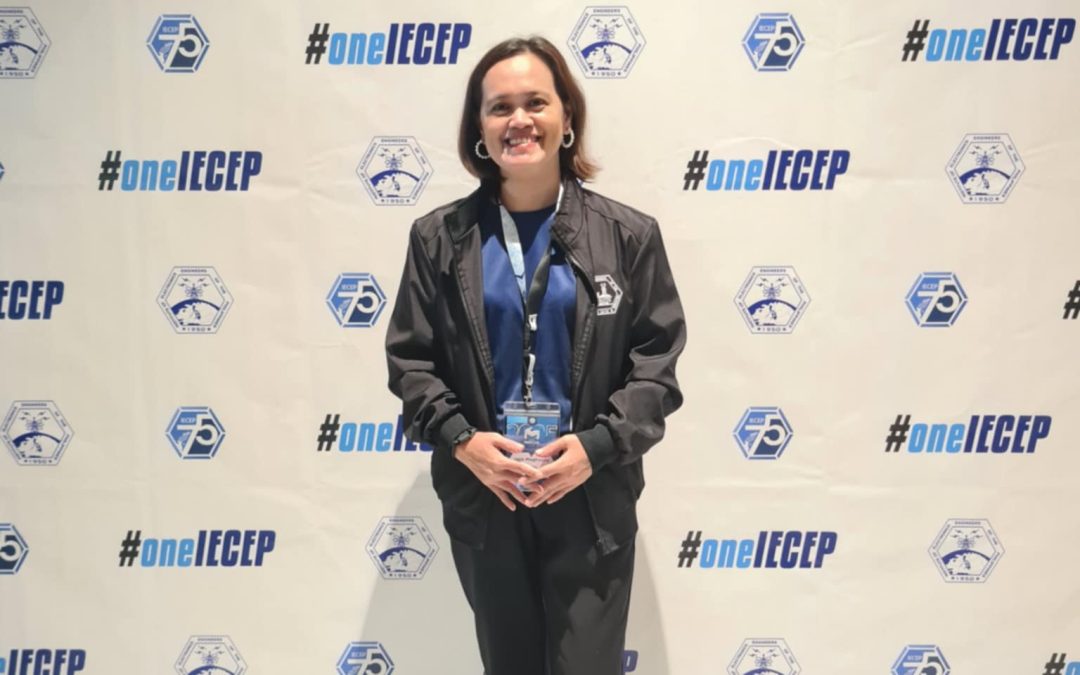
I used to think, “IECEP? That’s for the active ones—the engineers who stayed on the traditional path.”
And honestly, I didn’t think I belonged there anymore.
After working in the corporate world as a Telecom Fraud & Risk Specialist, my career took a different turn. For the past 17 years, I’ve been working in the digital space—freelancing, consulting, and helping MSMEs grow through technology.
Along the way, I stopped renewing my PRC license. I wasn’t involved in any IECEP chapter, either. At some point, I simply felt that I had moved on from the ECE profession.
But during the pandemic, something changed.
I started helping the IECEP Cavite Chapter remotely. It wasn’t a big role—mostly light, behind-the-scenes support—but I found it surprisingly meaningful. It gave me a chance to reconnect with a community I thought I had already left behind.
When things started returning to normal, I stepped back again.
Then, in 2024, I decided to come back—not just to help quietly from the sidelines, but to serve as an officer of the IECEP Cavite Chapter.
That journey came full circle in June 2025, when I attended the 75th IECEP National Midyear Convention at the Grand Summit Hotel in General Santos City.
It wasn’t just another professional event for me. It felt like I was finding my way back to the ECE profession—and realizing that maybe I had never really left the profession after all.
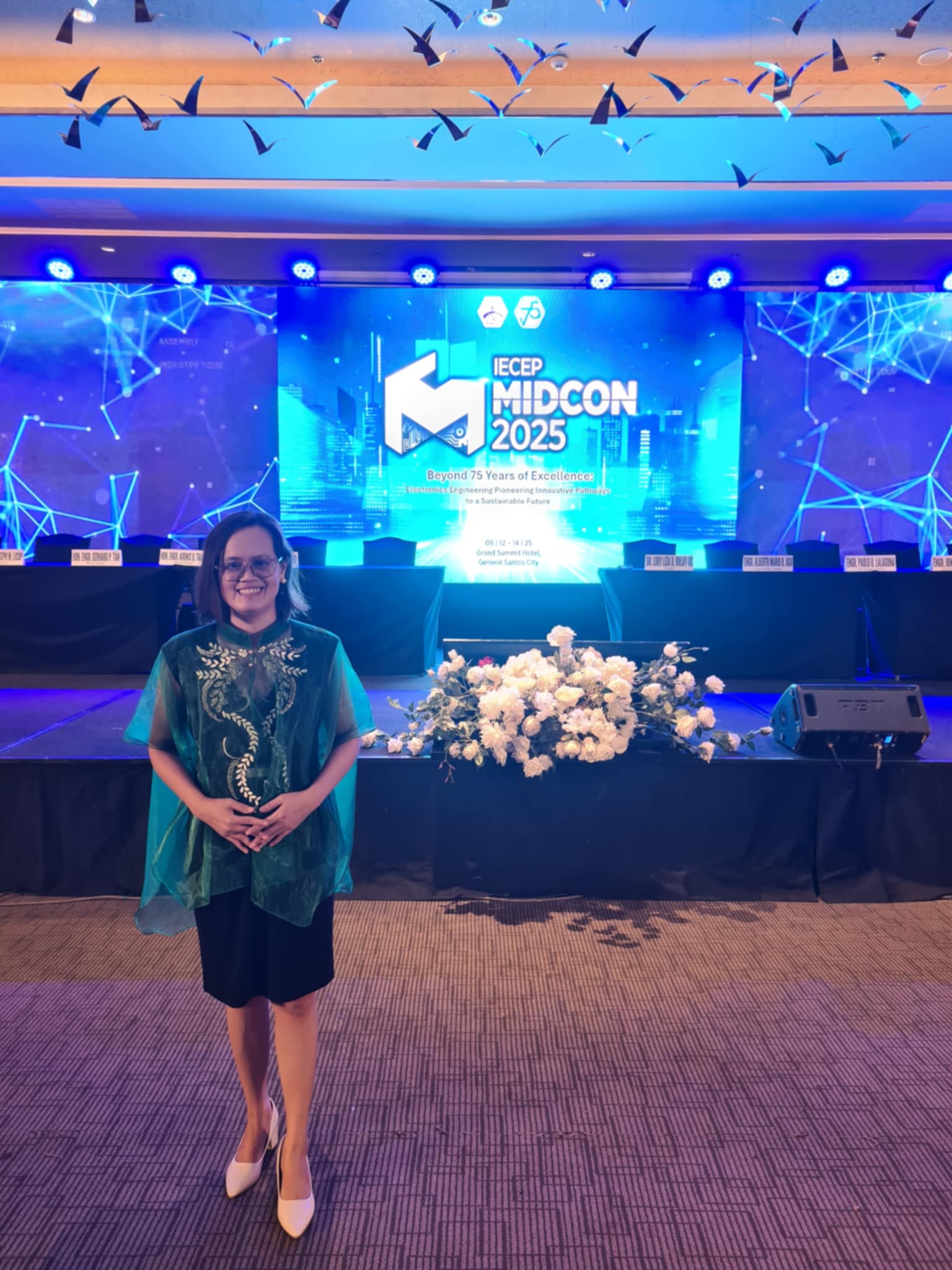
With the theme, “Beyond 75 Years of Excellence: Electronics Engineering Pioneering Innovative Pathways to a Sustainable Future,” the convention was more than a celebration of the profession’s legacy.
For me, it was a reminder that no matter how far your journey takes you, there is always a way to reconnect with where you started—and discover that you still belong.
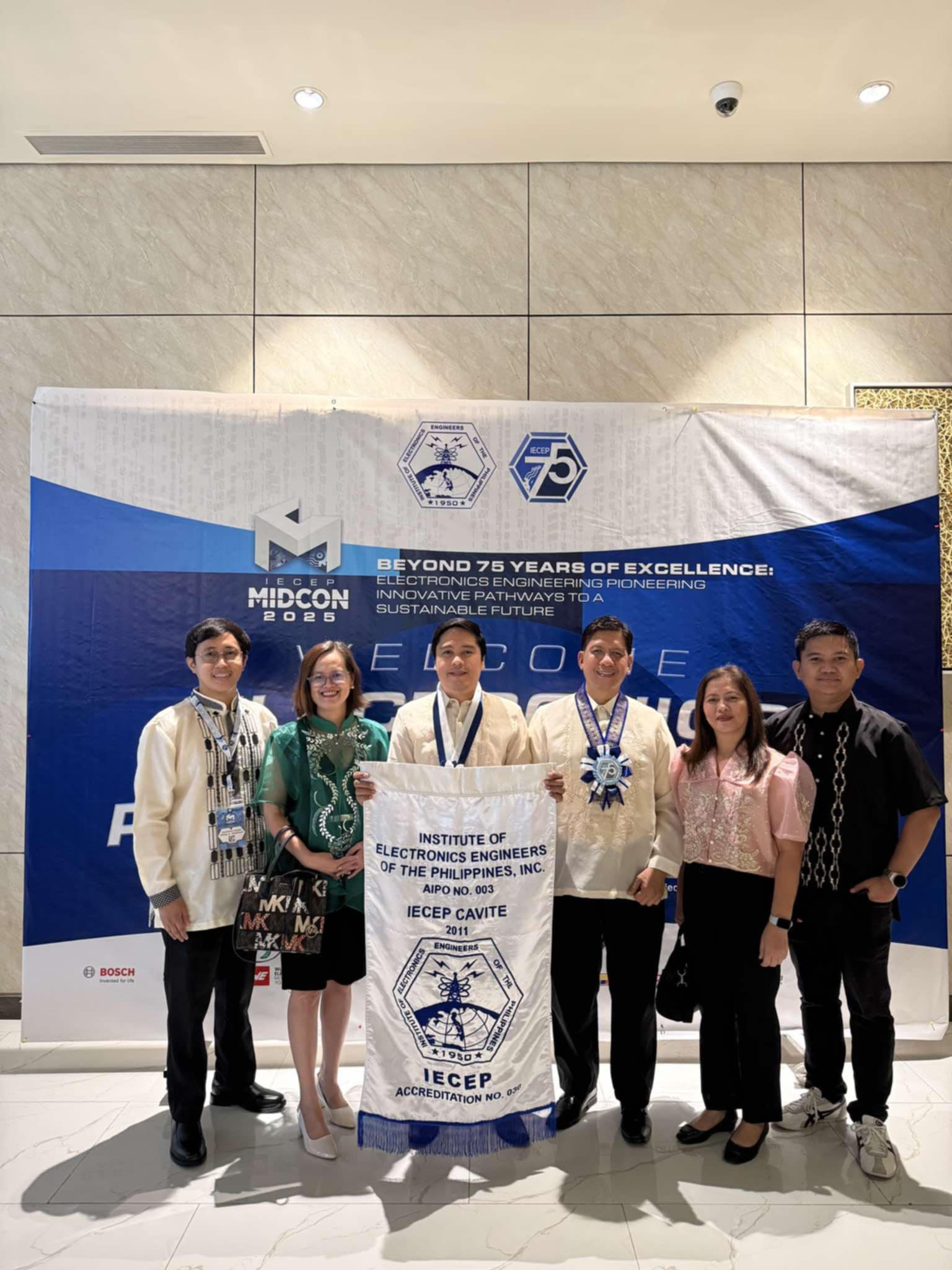
IECEP Cavite Chapter
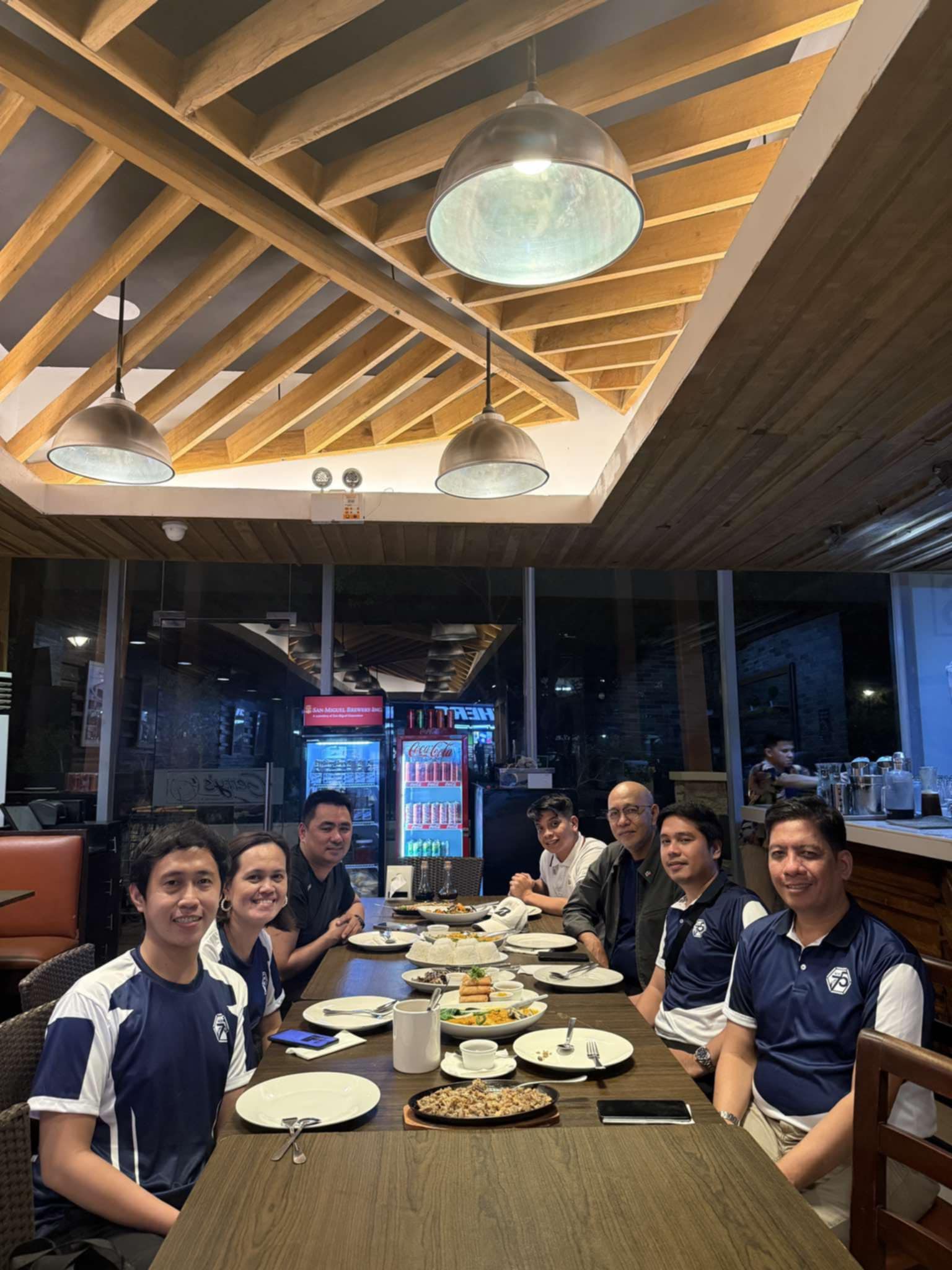
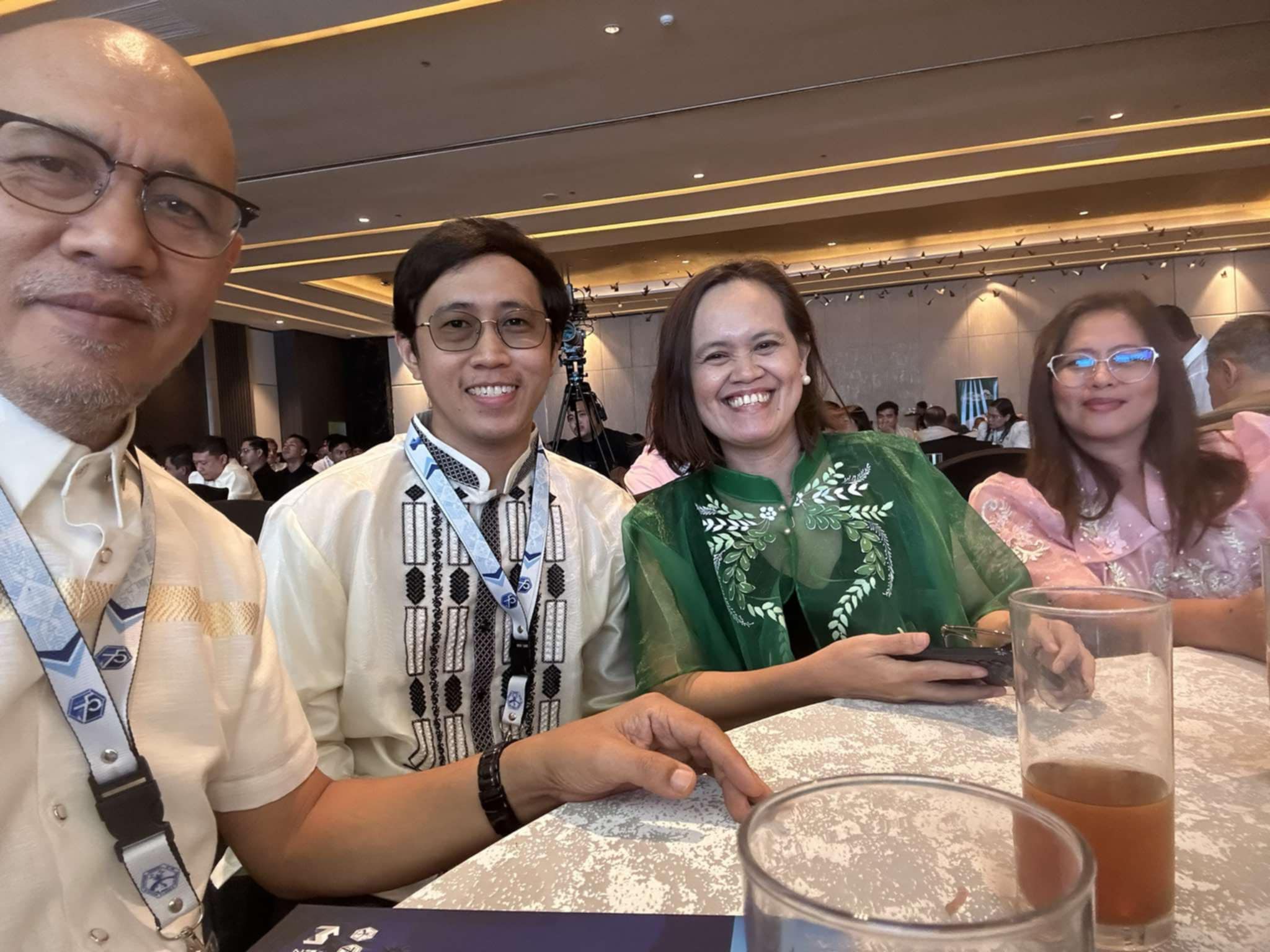
After years of working independently and mostly online, spending two full days with people face-to-face felt like a breath of fresh air.
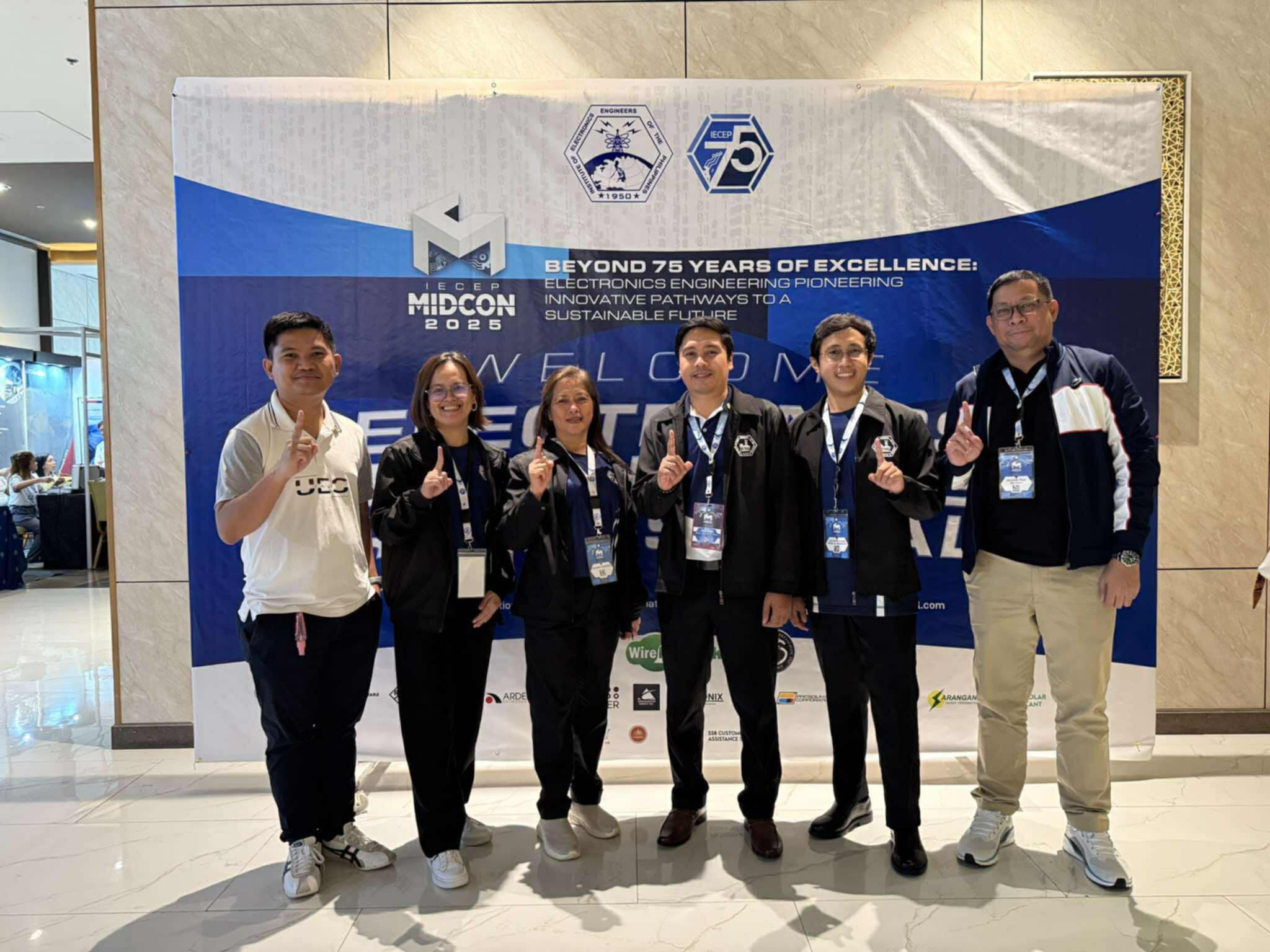
Meeting my fellow officers in person brought a completely different energy. The conversations felt more natural, ideas flowed more easily, and the sense of teamwork became stronger than anything we had experienced online.
It reminded me that beyond our titles, roles, and responsibilities, it’s the genuine connections we build with one another that keep the organization alive and moving forward.
Reconnections That Sparked Something Deeper
I expected the convention to be highly technical—maybe even a little formal or overwhelming. What I didn’t expect was the warm feeling of coming home, even after being away for so long.
One of the most meaningful moments was seeing my college instructor again after 25 years. Today, she is the national president of IECEP. Seeing how far she had come made me feel incredibly proud and reminded me of how many possibilities this profession can offer.
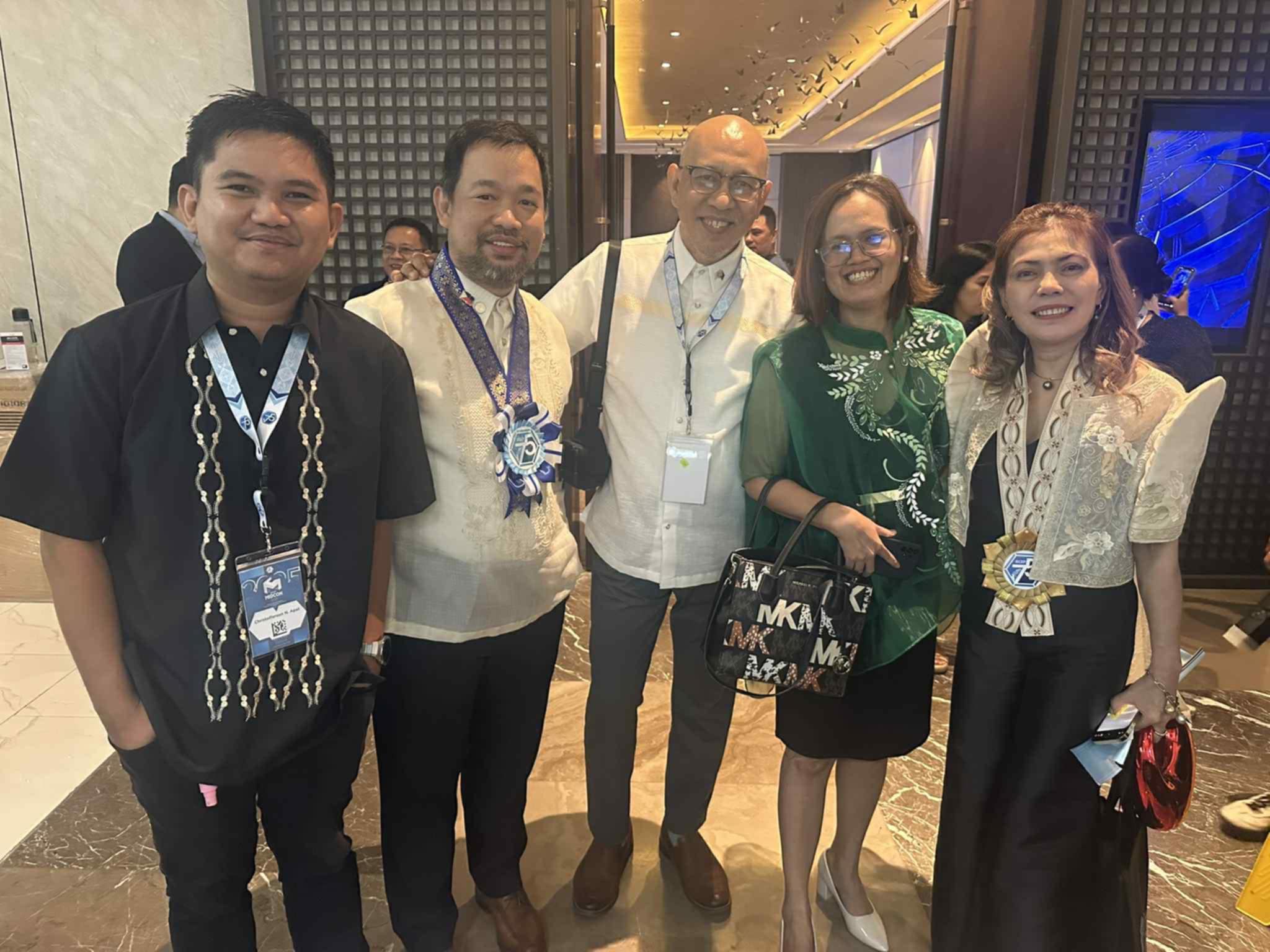
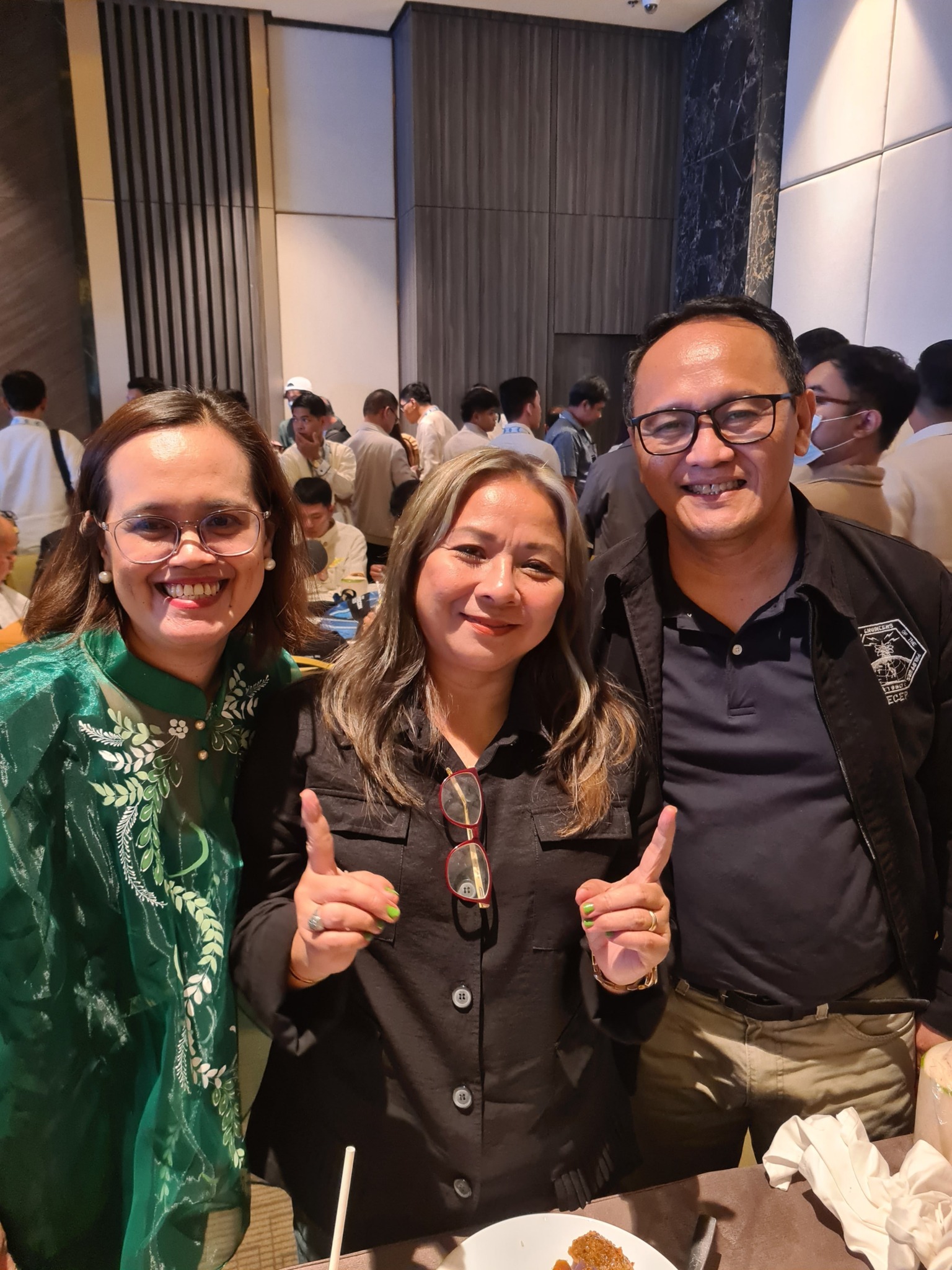
I reconnected with a colleague from my internship days at Maratel, now PLDT.
Then, unexpectedly, a fellow MSU-IIT schoolmate recognized me. It was only a short exchange, but it meant a lot.
These moments may have seemed like coincidences, but to me, they felt like gentle reminders: the ECE community is still alive and connected, even if many of us have taken very different paths.
Key Takeaways from the Learning Sessions
Aside from reconnecting with people, I really appreciated the lineup of learning sessions. The topics were timely, relevant, and, honestly, eye-opening.
From national cybersecurity to new developments in engineering, every session gave me something to think about.
More than anything, they reminded me of how quickly our profession continues to evolve—and why we need to keep learning and adapting in today’s fast-moving digital world.
National Cybersecurity Plan 2023–2028
The session highlighted the mandate of RA 10844 in establishing the National CERT and introduced the key priorities of the 2023–2028 plan. Emphasis was placed on strengthening national cybersecurity capabilities and promoting widespread awareness across sectors.
At the heart of the plan is a clear vision: a trusted, secure, and reliable cyberspace for every Filipino.
- Trusted: People can safely use digital transactions, e-commerce, and online services.
- Secure: Our systems can defend against cyber threats and protect national interests.
- Reliable: Digital services work consistently and dependably for everyone.
The DICT also outlined three strategic outcomes:
- The State and its people are proactively protected in cyberspace. This includes securing the government’s digital infrastructure through GovNet, establishing a National Security Operations Center, and strengthening the National CERT for better monitoring and incident response.
- Cybersecurity workforce capabilities are increased. The plan includes revitalized ICT Academy training, a Cybersecurity Center of Excellence, and a nationwide awareness campaign every October.
- The cybersecurity policy framework is strengthened. This involves minimum cybersecurity standards, secure protocols such as SSL, TLS, and PKI, and closer collaboration among the DICT, DOST, DTI, and the private sector.
What stood out to me was that this framework is not only about protection. It is also about creating a digital environment where education, businesses, local governments, and communities can participate with greater confidence.
The Future of Broadcasting: Innovation and Sustainability in Media Technologies
This session broke broadcasting down into three main areas: acquisition, production, and distribution.
It also explored how cloud-based infrastructure—SaaS, PaaS, and IaaS—can offer a more scalable and sustainable alternative to traditional broadcasting systems.
The discussion about OTT platforms such as Netflix and Prime made the shift toward digital convergence easy to see.
Broadcasting is no longer limited to the systems many of us grew up with; it is becoming more flexible, connected, and digital.
Updates on the Philippine Electronics Code and Tariff Regulations for ECE Professionals
This session brought us back to the responsibilities that come with being an ECE professional. We discussed how the Philippine Electronics Code helps ensure safety, reliability, and compliance with international standards such as ISO/IEC and ITU.
The speaker also emphasized that only licensed PECEs are authorized to design and certify electronic systems and clarified important legal and ethical boundaries under RA 9292.
Sustainable Electronics Design and Innovation: Electronics Product Development
We were introduced to practical design elements such as solder mask, silkscreen, and efficient PCB layout. The session also highlighted Electromagnetic Compatibility and the Restriction of Hazardous Substances.
It was a useful reminder that good electronics design is not only about whether a product works. We also need to consider safety, environmental impact, and long-term sustainability.
INCOSE Primer: Innovating Engineering Practices through Sustainable Methodology
We were introduced to practical design elements such as solder mask, silkscreen, and efficient PCB layout. The session also highlighted Electromagnetic Compatibility and the Restriction of Hazardous Substances.
It was a useful reminder that good electronics design is not only about whether a product works. We also need to consider safety, environmental impact, and long-term sustainability.
Managing Complex Engineering Projects for a Sustainable Future
This session shared practical ways to manage complex engineering projects, including using a Master Programme to keep track of deliverables, project status, and client expectations.
What stood out to me was the importance of identifying risks throughout the project—not just at the beginning—and applying the hierarchy of controls to make safety part of every decision.
It was a good reminder that successful project management requires constant communication, monitoring, and adjustment.
Securing the Digital Landscape: A New Wave of Cyber Threats and Defenses
Critical threats such as ransomware and vulnerabilities in cloud infrastructure were discussed. Key defenses—including firewalls, encryption, and regular backups—were stressed, along with the need for organization-wide cybersecurity awareness and best practices.
Day 1 delivered a comprehensive blend of public policy, digital transformation, global standards, and sustainability in electronics engineering. The sessions collectively reinforced the relevance of the ECE profession in nation-building, innovation, and protecting the digital future of the Philippines.
Day 2 Learning Session
Sessions That Resonated With Me
There were many valuable insights during the two-day IECEP National Midyear Convention, but a few sessions stayed with me because they spoke directly to what I do and what I care about.
The session on Sustainable Digital Transformation: The Role of ICT and Computers really hit home.
This is the space I’ve worked in for years: helping MSMEs adopt digital tools and use technology to improve how they operate. I’ve seen firsthand how going digital can help a business not only survive, but grow.
But the session helped me see the bigger picture. When MSMEs go digital, they can also contribute to a more inclusive and sustainable society. That is exactly the kind of change I want to help create.
I was also drawn to Sustainable Electronics Design and Innovation: Electronics Product Development. It reminded me that innovation is not simply about building something newer or faster. We also need to be intentional about what we create.
In my work connecting Filipino electronics engineers with global opportunities, I found myself asking: How can we design products that are globally competitive and, at the same time, kinder to the environment?
The session on Securing the Digital Landscape: A New Wave of Cyber Threats and Defenses also made me pause. As we encourage more businesses to adopt digital tools, we cannot ignore the risks that come with being online.
Many MSMEs do not have access to advanced cybersecurity resources. This session reminded me that security must be part of the digital transformation conversation from the beginning—not something we think about only after a problem happens.
Then there was the INCOSE Primer: Innovating Engineering Practices through Sustainable Methodology. It was my first time hearing about INCOSE, and the session made me reflect on how systems and products are designed.
It encouraged me to move beyond short-term fixes and see sustainability as a core engineering mindset. That is especially important in fast-paced fields such as outsourcing and electronics. I left inspired to learn more and to keep aligning my work with purpose-driven, sustainable impact.
Kapehan with the ECE Board
Another topic that caught my attention, even though I only heard a small part of the discussion, was the proposed Magna Carta for ICT Workers.
The moment it was mentioned during the Kapehan with the ECE Board, I became curious. The proposed policy aims to uplift and protect ICT workers and is currently open for public feedback.
As someone who built a career in freelancing and remote digital work, I immediately wondered: Does this include people like us—those working outside traditional employment arrangements?
Many professionals in our industry may not even know that conversations like this are happening, much less how the resulting policies could include or exclude them.
So, to my fellow ECE freelancers and digital professionals: this is our opportunity to be seen and heard. Let’s take time to review the draft, share our experiences, and help ensure that our voices are represented in the Magna Carta for ICT Workers.
We are part of the ICT landscape, too. It is time for our realities to be acknowledged.
ECEs Beyond the License—Your Role Matters
If you’ve drifted away from the profession—maybe you changed careers, did not renew your license, or simply started to feel that you no longer belonged—I understand.
But I want to remind you: you still belong here.
Whether you now work in ICT, freelancing, education, a tech startup, or your own business, you still bring something valuable to the table. Your engineering training, the way you think, and your approach to solving problems still matter—even outside traditional ECE practice.
You do not need to wear a lab coat or hold a freshly renewed PRC license to make an impact. Sometimes, showing up, learning, and reconnecting are already powerful steps forward.
Our journeys as ECEs are not always linear. Some paths take us away from board exams, design tables, or technical certifications. But they do not take us away from the heart of engineering: solving real problems, creating meaningful solutions, and helping build a better future.
You are still part of this profession, wherever you may be in your journey.
Why This Moment Mattered to Me
Saying yes to becoming a chapter officer was one thing. Attending the national convention was something else entirely—and it definitely pushed me out of my comfort zone.
There were moments that felt unfamiliar and even a little awkward. I encountered things I was not used to and did not expect. But stepping into that space turned out to be exactly what I needed.
It stretched me. It challenged me. And it reminded me that even if I have taken a different path, there is still a place for me here.
What I found at the IECEP National Convention was more than an event. It was a personal rediscovery.
After years away from formal ECE practice, I realized that I am still deeply connected to the profession—especially through ICT and Computer Systems.
As an ICT advocate who helps MSMEs embrace digital transformation, I can now see that the engineering mindset I developed years ago is still the compass guiding my work today.
This experience also reminded me that IECEP is about more than CPD points or license renewals. It is a platform for professional relevance, connection, and nation-building.
Technology now shapes almost every part of our lives—from smart cities to small online businesses. That is why ECEs are needed more than ever. Whether we work in technology, education, freelancing, or enterprise, we all have a place in this evolving story.
As the IECEP Hymn proudly declares:
“ECEs, let’s build the nation!”
“One organization, our many chapters, our one profession.
Walking hand-in-hand in the same direction…
With the help above we’ll do our mission!”
And that mission—para sa bayan—is why I’m showing up again.
For the profession.
For innovation.
For the community.
For the future.